Understanding the intervals between city bus arrivals is crucial for both daily commuters and urban planners aiming to optimize public transportation.

These time gaps can significantly impact passenger wait times, crowding, and overall satisfaction with transit services. By analyzing bus schedules and real-time data, we can uncover patterns that help improve efficiency and reduce delays.
As cities grow, fine-tuning these intervals becomes even more essential to meet increasing demand. Let’s dive deeper into how bus frequency affects your daily ride and what improvements are on the horizon!
I’ll guide you through the details ahead.
Factors Influencing Bus Arrival Intervals in Urban Areas
Traffic Congestion and Its Ripple Effects
One of the most unpredictable factors affecting bus intervals is traffic congestion. During peak hours, city streets can become gridlocked, causing buses to bunch up or experience significant delays.
From my own commuting experience, I’ve noticed that even a minor accident or roadwork can throw off the entire schedule for several routes. Buses stuck in traffic tend to arrive in clusters, meaning passengers might wait longer than expected and then face overcrowding when multiple buses come at once.
This irregularity not only frustrates commuters but also complicates operational planning for transit agencies trying to maintain smooth service.
Driver Breaks and Schedule Buffers
Bus drivers must adhere to regulated break times, which can influence the timing between arrivals. Operators often build schedule buffers into the timetable to accommodate these breaks and unforeseen delays.
However, if these buffers are too generous, buses may run with excessive gaps during off-peak hours, leading to inefficient resource use and longer waiting times.
Conversely, tight schedules leave little room for error, causing delays to cascade. From what I’ve observed, cities that actively monitor real-time data and adjust these buffers dynamically tend to offer more consistent intervals.
Demand Variations Throughout the Day
Bus frequency typically fluctuates depending on the time of day and passenger demand. Morning and evening rush hours usually see shorter intervals to handle the surge of commuters, while midday and late-night services might run less frequently.
I recall taking a bus late at night and waiting almost 30 minutes, a stark contrast to the 5-10 minute intervals during rush hour. Understanding these demand patterns is crucial for optimizing intervals to balance operational costs with service quality, ensuring that buses are neither empty nor overcrowded.
Technological Advances Shaping Bus Interval Management
Real-Time Tracking and Passenger Apps
The integration of GPS and mobile applications has revolutionized how bus intervals are managed and perceived. Passengers can now track buses live, making wait times feel shorter because they have a clear expectation of arrival.
For transit authorities, real-time data enables dynamic interval adjustments to respond to delays or sudden changes in passenger flow. From using these apps myself, I’ve found that knowing exactly when the bus will arrive cuts down on anxiety and improves my overall travel experience.
Predictive Analytics for Better Scheduling
Advanced predictive models analyze historical and current data to forecast bus arrival times more accurately. These tools consider variables like weather, traffic patterns, and special events to fine-tune schedules.
In cities where this technology is implemented, buses tend to maintain steadier intervals, reducing both wait times and overcrowding. From a planner’s perspective, this means better allocation of buses and drivers, ultimately leading to cost savings and enhanced rider satisfaction.
Automated Control Systems and Signal Priority
Some cities have adopted automated traffic signal priority systems that detect approaching buses and adjust traffic lights to minimize stoppage time. This directly impacts bus intervals by smoothing the flow and reducing delays caused by traffic signals.
I’ve personally noticed that routes equipped with signal priority feel more reliable, with buses arriving closer to their scheduled times. This technology not only improves intervals but also encourages more people to choose public transit over driving.
Impact of Bus Interval Variability on Passenger Experience
Psychological Effects of Waiting Times
Waiting for a bus can be stressful, especially when intervals are inconsistent. Studies show that passengers perceive wait times as longer when buses arrive irregularly, even if the average wait time is the same as a steady schedule.
From my experience, uncertainty is the biggest frustration. When buses come unpredictably, passengers may arrive too early or too late, leading to missed connections or overcrowded vehicles.
Consistent intervals help reduce this anxiety and improve overall satisfaction.
Crowding and Comfort Levels
Irregular bus intervals often lead to crowding issues. When multiple buses arrive back-to-back after long gaps, passengers crowd onto fewer vehicles, creating discomfort and safety concerns.
On the other hand, if intervals are too long, waiting passengers accumulate at stops, which can be particularly challenging during bad weather or for those with mobility issues.
From riding buses in various cities, I’ve noticed that well-spaced arrivals significantly improve comfort and accessibility.
Effect on Commuter Time Management
Reliable bus intervals allow commuters to plan their schedules more effectively. If buses arrive consistently, passengers can time their departure from home or work with confidence.
Conversely, when intervals fluctuate wildly, people tend to leave earlier than necessary, wasting time and increasing stress. I’ve personally adjusted my routine based on interval predictability, which has made a noticeable difference in my daily productivity and mood.
Strategies Transit Agencies Use to Optimize Bus Intervals
Dynamic Scheduling Based on Demand Data
Many transit agencies now employ flexible scheduling that adapts to real-time demand rather than sticking rigidly to fixed timetables. By monitoring passenger counts and traffic conditions, they can deploy additional buses or hold back vehicles to maintain optimal intervals.
This approach requires robust data infrastructure and skilled dispatchers but can significantly improve service reliability. From what I’ve seen, cities with this system tend to have fewer complaints about bus bunching and long waits.
Infrastructure Improvements to Support Consistency
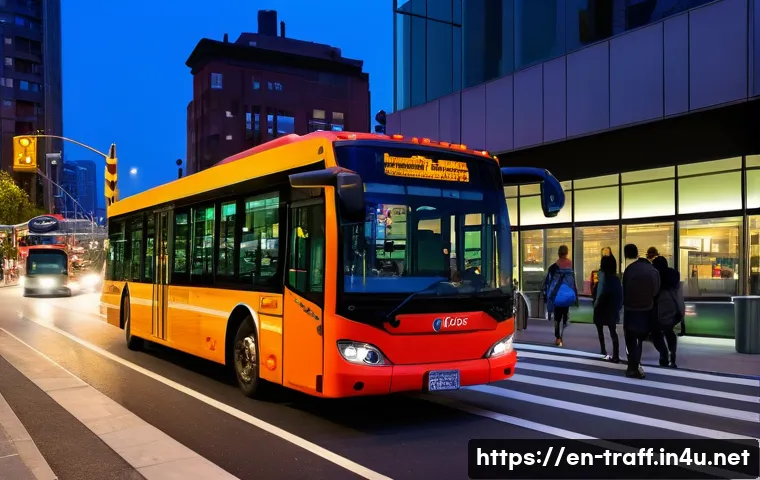
Investments in dedicated bus lanes, priority signaling, and improved boarding processes all help reduce interval variability. When buses can avoid traffic jams and spend less time at stops, they maintain more consistent headways.
I recall a city where the introduction of dedicated lanes reduced my commute time and smoothed out bus arrivals noticeably. These infrastructure projects require upfront costs but pay off through enhanced service quality and increased ridership.
Public Communication and Transparency
Keeping passengers informed about expected wait times and service changes builds trust and mitigates frustration. Agencies that provide real-time updates via apps, websites, and electronic displays at stops empower riders to make better decisions.
I’ve found that knowing about delays in advance makes the waiting experience more tolerable, even if the interval is longer than usual. Transparent communication also helps agencies gather feedback to continuously refine their operations.
Comparing Interval Patterns Across Different Bus Routes
High-Frequency Core Routes vs. Peripheral Lines
Core city routes serving busy commercial and residential areas tend to have shorter intervals, often between 5 to 10 minutes during peak times. Peripheral or suburban routes, however, might only run every 20 to 30 minutes or more.
This difference reflects variations in demand and resource allocation. From my observations, passengers on core routes generally experience more reliable and frequent service, while those on peripheral lines face longer waits and more irregular intervals.
Impact of Route Length and Stops
Longer routes with many stops are more susceptible to interval variability due to accumulated delays. Shorter routes can maintain steadier intervals because buses complete trips faster and can recover schedule adherence more easily.
For example, I’ve noticed that on a short shuttle route, buses arrive almost like clockwork, whereas on a lengthy cross-city route, intervals can fluctuate significantly depending on traffic.
Table: Sample Bus Interval Data by Route Type
| Route Type | Peak Hour Interval | Off-Peak Interval | Common Issues |
|---|---|---|---|
| Core Urban Route | 5-10 minutes | 10-15 minutes | Overcrowding during rush hour |
| Suburban Route | 15-20 minutes | 30+ minutes | Long waits, less frequent service |
| Express Route | 10-15 minutes | 20-25 minutes | Traffic delays on main corridors |
| Night Service | 30-40 minutes | 40-60 minutes | Low frequency, safety concerns |
Challenges and Future Directions in Bus Interval Optimization
Balancing Cost and Service Quality
Transit agencies constantly face the challenge of providing frequent service without overspending. Running more buses reduces wait times but increases operational costs, including fuel, maintenance, and labor.
I’ve talked to drivers and planners who emphasize the difficulty of striking this balance, especially in cities with tight budgets. Innovations like electric buses and automated scheduling systems may help reduce costs while maintaining high service levels.
Adapting to Changing Urban Dynamics
As cities evolve, new residential developments, business districts, and transportation hubs shift demand patterns. Transit agencies need to regularly reassess and adjust intervals to match these changes.
From my perspective, continuous monitoring and community engagement are essential for keeping bus service relevant and effective. Flexible, data-driven approaches will be key to adapting quickly to urban growth and shifting commuter behaviors.
Incorporating Sustainable Practices
Improving bus intervals also ties into broader sustainability goals. Efficient scheduling reduces idling and unnecessary trips, cutting emissions and fuel consumption.
I’ve noticed that cities prioritizing green transit infrastructure tend to invest more in interval optimization technologies. This alignment benefits both passengers and the environment, making public transit a more attractive alternative to car travel.
Conclusion
Understanding the various factors influencing bus arrival intervals is essential for improving urban transit systems. From traffic conditions to technological innovations, each element plays a critical role in shaping the passenger experience. By embracing data-driven strategies and sustainable practices, cities can create more reliable and efficient bus services. Ultimately, consistent intervals not only enhance commuter satisfaction but also encourage greater use of public transportation.
Useful Information to Keep in Mind
1. Traffic congestion remains the biggest challenge affecting bus arrival times, often causing delays and bus bunching during peak hours.
2. Real-time tracking apps empower passengers by providing live updates, reducing uncertainty and perceived wait times.
3. Dynamic scheduling based on demand data helps transit agencies optimize bus frequency and reduce operational inefficiencies.
4. Infrastructure improvements like dedicated bus lanes and signal priority significantly enhance interval consistency.
5. Sustainable practices in scheduling contribute to lower emissions and support broader environmental goals.
Key Takeaways
Reliable bus intervals depend on managing traffic impacts, driver schedules, and passenger demand through smart technology and infrastructure. Transparent communication with riders and flexible, data-informed operations are vital for maintaining consistent service. Balancing cost efficiency with quality service requires ongoing adaptation to urban growth and evolving travel patterns. Prioritizing sustainability aligns transit improvements with environmental responsibility, making public transportation a more appealing choice for city dwellers.
Frequently Asked Questions (FAQ) 📖
Q: How do bus arrival intervals affect my daily commute?
A: Bus arrival intervals directly influence how long you wait at the stop and how crowded the buses get. Shorter, consistent intervals usually mean less waiting and a more comfortable ride since the passenger load is spread out.
On the other hand, longer or irregular intervals can cause bunching, where multiple buses arrive at once, leading to overcrowding and longer waits. From my own experience, when buses run on a steady schedule, it makes planning my day so much easier and reduces stress during rush hours.
Q: What challenges do cities face in maintaining regular bus intervals?
A: Cities have to juggle traffic congestion, varying passenger demand, and unexpected delays like accidents or roadworks. These factors can disrupt the timing between buses, making it tough to keep intervals consistent.
Additionally, as urban populations grow, demand spikes unpredictably, so transit agencies need to adjust schedules dynamically. I’ve seen firsthand how delays during peak times can ripple through the whole system, causing frustration for both drivers and passengers.
Q: Are there new technologies helping improve bus frequency and reliability?
A: Absolutely! Many cities are adopting real-time tracking systems combined with AI-driven analytics to monitor bus locations and adjust dispatching on the fly.
This helps reduce wait times and prevents bus bunching. Some transit networks also use apps that show live arrival times, letting passengers plan better.
From my perspective, these advancements have made public transit much more user-friendly and reliable, especially when you’re in a hurry or dealing with unpredictable weather.