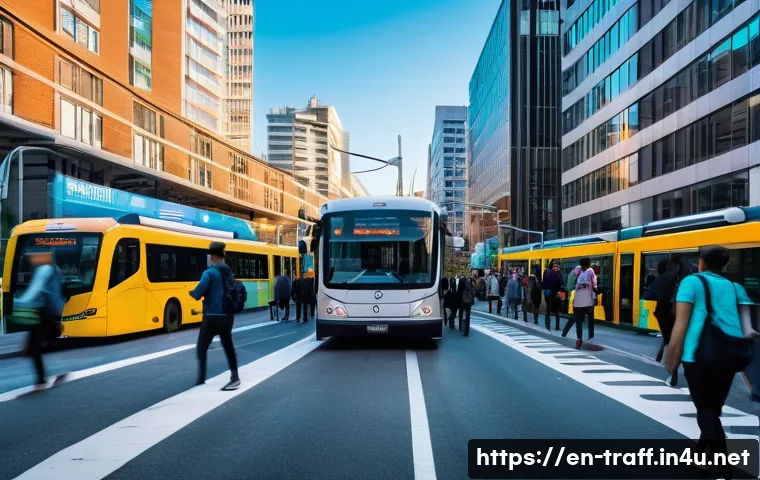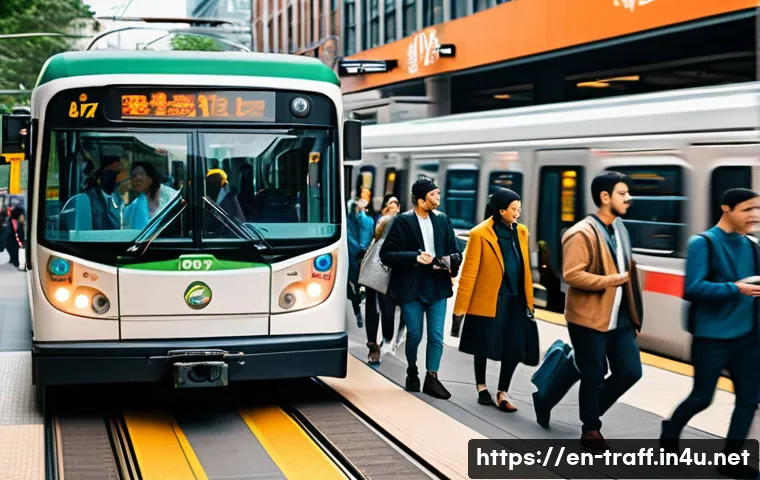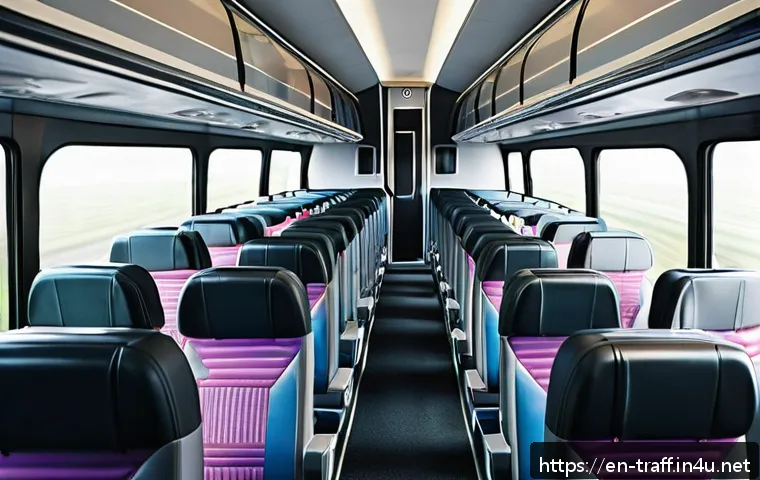
Planning a trip between cities can sometimes feel overwhelming, especially with so many transportation options available today. But guess what? Intercity bus travel is making a strong comeback, offering affordable and convenient rides for millions.

With the rise of digital booking platforms and real-time updates, securing your seat has never been easier—or more stress-free. Whether you’re commuting for work or planning a weekend getaway, mastering the art of bus booking can save you time, money, and headaches.
Stick around as we dive into a straightforward guide that will make your next intercity bus adventure smooth and enjoyable from start to finish.
Choosing the Best Bus Service for Your Journey
Comparing Bus Companies and Their Routes
When you’re planning an intercity bus trip, the first step is figuring out which bus company fits your needs. Different providers often cover different routes, so it’s worth checking out their schedules and stops carefully.
Some companies focus on express routes with limited stops, which can save you time but might cost a bit more. Others offer more frequent stops or local routes that might be slower but cheaper.
I’ve found that using review sites alongside official schedules gives a clearer picture of the reliability and comfort level each company offers. Don’t just look at price—consider amenities like Wi-Fi, power outlets, and seat comfort too, especially if you’re on a longer ride.
Understanding Ticket Types and Refund Policies
Ticket options can vary widely, so it’s smart to know what you’re buying. Some companies sell non-refundable tickets at a lower cost, while others allow changes or cancellations with a small fee.
Personally, I’ve learned to avoid the cheapest “no refund” tickets if there’s any chance my plans might change—it’s better to pay a little extra for flexibility.
Also, keep an eye out for group or round-trip discounts, which can save you money if you’re traveling with friends or returning the same way. Before finalizing your purchase, double-check the refund and rescheduling policies; these can be lifesavers if your trip gets disrupted.
Tips for Booking the Most Convenient Departure Times
Picking the right departure time can make all the difference in your travel experience. Early morning or late evening buses might be less crowded and cheaper, but they can also be less frequent and less convenient depending on your destination’s public transport options.
Midday buses often fill up quickly, especially on weekends or holidays, so booking in advance is key. I usually check the traffic patterns or any local events happening on my travel day, as these can affect both availability and travel time.
Sometimes, a slightly earlier or later bus can save you hours stuck in traffic or waiting around at the terminal.
How to Secure Your Seat Effortlessly Online
Using Official Websites vs. Third-Party Platforms
Nowadays, booking your bus ticket online is the way to go, but deciding between the bus company’s official website and third-party platforms can be confusing.
Official websites usually provide the most accurate and up-to-date schedules and often have the best prices without hidden fees. However, third-party apps can offer a better user experience with features like comparing multiple companies at once, customer reviews, and easy payment options.
From my experience, using a combination works best—check schedules and prices on official sites, then use trusted third-party apps to compare and book quickly.
Just be cautious of extra service fees and verify the legitimacy of the platform before entering your payment details.
Step-by-Step Guide to Booking Your Ticket
Booking a bus ticket online is generally straightforward but can feel intimidating if it’s your first time. Here’s a quick rundown based on my recent bookings:
1.
Enter your departure city, destination, and travel date. 2. Browse through available options, paying attention to departure times, duration, and price.
3. Select your preferred bus and seat if the option is available. 4.
Fill in your personal details accurately—double-check spelling and contact info. 5. Choose your payment method—credit card, PayPal, or mobile payment apps are common.
6. Confirm your booking and save the confirmation email or ticket PDF. Always keep your ticket accessible on your phone or printed out, just in case.
Some companies also send QR codes for faster boarding, which I find super convenient.
Dealing with Last-Minute Changes and Cancellations
Life happens, and sometimes you need to change your bus plans at the last minute. If you booked through an official website, it’s usually easier to modify or cancel your ticket online.
Third-party platforms might require contacting their customer service, which can be a bit slower. In emergencies, calling the bus company directly often yields the fastest response.
I once had to reschedule a trip due to a sudden meeting, and having purchased a flexible ticket made the process painless. If your ticket is non-refundable, check if the company offers credit for future trips instead of a cash refund.
Always keep an eye on the time window for changes—some companies only allow modifications up to a few hours before departure.
Maximizing Comfort and Convenience During Your Bus Ride
Choosing the Right Seat for a Relaxing Trip
When booking, seat selection can make or break your journey, especially if you’re in for a long ride. Window seats are great for scenic views and leaning against the wall to nap, while aisle seats give you easier access to the restroom and stretch breaks.
I usually avoid front-row seats since they can be bumpier and noisier near the driver. Some buses offer extra legroom or premium seats for a small fee, which I happily pay if I want to arrive feeling refreshed.
Also, check if your bus has reclining seats and seat belts for added safety and comfort.
Packing Smart for the Bus
Unlike flying, bus travel usually has fewer luggage restrictions, but it’s still wise to pack thoughtfully. I recommend bringing a small backpack or carry-on with essentials like snacks, water, a travel pillow, headphones, and a portable charger.
Layered clothing is a must because bus temperatures can swing from freezing to warm depending on the air conditioning settings. Don’t forget hand sanitizer and tissues for hygiene.
If you’re carrying large luggage, double-check the bus company’s policy on checked bags and be prepared for loading and unloading—it’s often a quick process but can get hectic during busy travel times.
Entertainment and Staying Productive on the Road
Modern intercity buses often provide Wi-Fi, but connectivity can be spotty in rural areas. I always download movies, podcasts, or e-books ahead of time to stay entertained.
If you’re traveling for work, a good pair of noise-canceling headphones and a charged laptop or tablet can turn travel time into productive hours. Just be mindful of battery life and have a backup power bank ready.
On longer trips, I like to take breaks from screens and enjoy the scenery or chat with fellow travelers—it’s a surprisingly nice way to pass the time and sometimes leads to interesting conversations.
Essential Tips for Stress-Free Bus Station Navigation
Arriving Early and Finding Your Bus
Bus stations can be confusing, especially in big cities with multiple platforms and companies. Arriving at least 30 minutes before departure gives you time to find your bus and handle any last-minute issues.
I always look up the terminal map online beforehand or ask staff for directions once I arrive. Pay attention to announcements and digital boards showing bus departures—these can change due to delays or platform switches.
Carry your ticket and ID ready for inspection, as some companies require showing them before boarding.
Handling Delays and Unexpected Changes
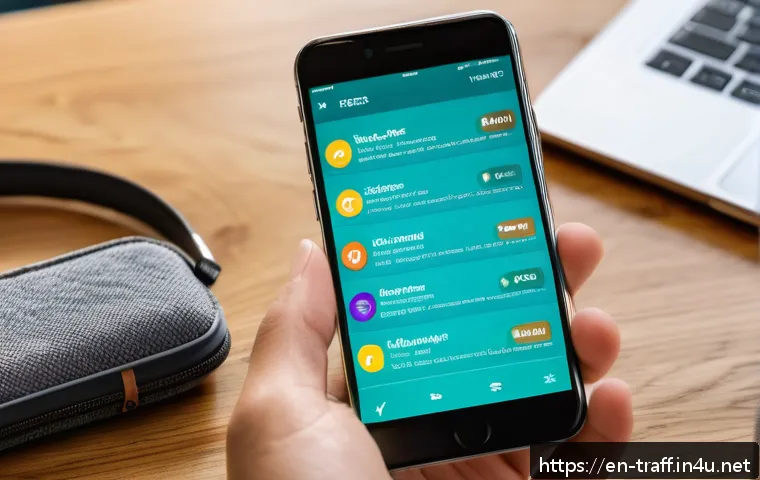
Delays can happen for a variety of reasons like traffic, weather, or mechanical issues. If your bus is running late, stay calm and check the company’s app or website for real-time updates.
Many platforms send push notifications if you opt in. If a delay is significant, ask station staff about alternative routes or compensation policies. I’ve been pleasantly surprised by how some companies offer vouchers or refreshments during long waits.
Bringing snacks and a charged phone helps you stay comfortable and informed during these moments.
Safety and Security Tips at Bus Stations
Bus stations can be busy places, and it’s smart to stay aware of your surroundings. Keep your belongings close and avoid flashing valuables. If you’re traveling alone, try to stay near other passengers or well-lit areas.
Most stations have security personnel or cameras, but it’s better to be cautious. When waiting for your bus, watch for your bus number and driver name to avoid boarding the wrong vehicle.
I also recommend downloading the bus company’s app, which sometimes includes safety tips and emergency contact info.
Understanding Pricing and How to Get the Best Deals
Factors Influencing Bus Ticket Prices
Bus fares can fluctuate based on demand, time of day, season, and route popularity. Peak travel times like holidays or weekends usually mean higher prices and fewer available seats.
Booking well in advance often secures the best rates. I noticed that midweek and off-peak hours tend to offer cheaper fares and less crowded buses, making the ride more pleasant.
Some companies also adjust prices dynamically, so checking fares regularly can pay off if you’re flexible with your travel dates.
Discounts, Loyalty Programs, and Promo Codes
Many bus companies offer discounts for students, seniors, military personnel, or frequent travelers. Signing up for loyalty programs can earn points or access to exclusive deals, which I’ve found handy for saving on repeat trips.
Promo codes are often available through newsletters or social media channels, so it’s worth subscribing or following your favorite bus providers. Group bookings sometimes come with special rates, too.
Before you finalize your purchase, do a quick search online for any active promo codes—they can add up to meaningful savings.
How to Balance Cost with Comfort and Convenience
While it’s tempting to grab the cheapest ticket available, think about what you’re giving up. Longer travel times, multiple transfers, or less comfortable buses might save money but increase travel fatigue.
I tend to weigh cost against factors like direct routes, onboard amenities, and departure times that fit my schedule. Sometimes spending a few extra dollars means arriving relaxed and ready for whatever’s next.
Keep in mind that hidden costs like extra luggage fees or transportation to and from the bus station can add up, so factor those into your budget.
| Booking Platform | Advantages | Disadvantages | Ideal For |
|---|---|---|---|
| Official Bus Company Websites | Most accurate schedules, no extra fees, direct customer service | Less user-friendly interfaces, limited comparison options | Travelers who want reliability and full control |
| Third-Party Booking Apps | Easy comparison of multiple companies, user reviews, flexible payment options | Possible service fees, slower customer support, potential for outdated info | Users seeking convenience and variety |
| Mobile Payment Apps | Quick transactions, integration with digital wallets, sometimes exclusive discounts | Limited to certain companies, may require app installation | Tech-savvy travelers prioritizing speed |
Preparing for Arrival and Post-Trip Tips
Planning Your Arrival and Local Transportation
Once your bus ride ends, having a clear plan to reach your final destination is crucial. Check if your arrival station offers taxis, ride-shares, or public transit connections.
In some cities, buses drop off at central terminals close to train stations or popular neighborhoods, which is super convenient. When I traveled to unfamiliar places, I pre-booked a ride-share or downloaded local transit apps to avoid last-minute stress.
Also, keep in mind the local currency and tipping customs if you’re using taxis.
Managing Lost Items and Customer Support
Losing something on a bus or at the station is frustrating, but most companies have procedures to help recover lost items. Contact the bus company’s lost and found department as soon as possible—some even have online forms.
I once left a charger on a bus, and after a quick call, it was returned to the station within a day. Keeping your booking confirmation and bus details handy makes this process smoother.
If you encounter any issues during your trip, don’t hesitate to reach out to customer support; polite persistence often gets results.
Sharing Your Experience and Helping Fellow Travelers
After your trip, consider leaving a review on the booking platform or social media. Sharing honest feedback about comfort, punctuality, and customer service helps others make informed choices.
I’ve found that engaging in travel forums or groups can provide tips and updates on route changes or promotions. Plus, it feels great to contribute to a community of travelers who rely on each other’s experiences to navigate intercity bus travel more confidently.
In Conclusion
Choosing the right bus service can transform your travel experience from stressful to enjoyable. By considering routes, ticket options, and comfort features, you ensure a smoother journey. Booking wisely and preparing for the ride ahead helps you avoid common pitfalls. Ultimately, a little planning goes a long way in making your trip hassle-free and comfortable.
Helpful Information to Keep in Mind
1. Always compare bus companies not just by price but also by route convenience and onboard amenities to get the best value for your trip.
2. Understand the ticket policies thoroughly—flexible tickets might cost more upfront but save you from headaches if plans change.
3. Booking early and choosing the right departure time can help you avoid crowds and delays, enhancing your overall travel experience.
4. Prepare for your journey by packing essentials and selecting the best seat to stay comfortable throughout the ride.
5. Stay informed about delays and safety at bus stations to navigate smoothly and keep your belongings secure.
Key Takeaways for a Successful Bus Trip
Planning is essential: research routes and companies carefully to find the best fit for your needs. Flexibility in ticket choices can save time and money in case of unexpected changes. Prioritize comfort and convenience during your ride by choosing the right seat and packing smartly. Use official and trusted booking platforms to avoid hidden fees and ensure accurate information. Finally, prepare for arrival by knowing local transport options and keeping communication lines open with customer support when needed.
Frequently Asked Questions (FAQ) 📖
Q: uestions about Intercity Bus TravelQ1: How can I find the best deals on intercity bus tickets?
A: Finding great deals usually means booking early and using reputable digital platforms like Greyhound, Megabus, or FlixBus. These sites often offer discounts or promo codes, especially if you subscribe to their newsletters or follow them on social media.
Also, traveling during off-peak hours or weekdays can save you money. From my experience, comparing prices across multiple apps before booking helped me snag tickets at half the price I initially expected.
Q: What should I expect regarding comfort and amenities on intercity buses?
A: Modern intercity buses are surprisingly comfortable with amenities such as free Wi-Fi, power outlets, reclining seats, and onboard restrooms. However, the quality can vary by company and route.
Personally, I always check recent passenger reviews before choosing a bus service to ensure a smooth ride. If you have specific needs—like extra legroom or luggage space—it’s best to confirm these details during booking.
Q: How reliable are intercity buses when it comes to schedules and delays?
A: Intercity buses generally stick to their schedules, but delays can happen due to traffic, weather, or operational issues. The advantage today is that many bus companies provide real-time tracking and updates via their apps or SMS notifications, which I find super helpful.
To avoid stress, I recommend leaving some buffer time if you have connecting plans and keeping an eye on live updates as your departure time approaches.