Exploring the world by train offers a unique blend of comfort, scenic beauty, and cultural immersion that few other travel methods can match. Whether you’re chasing breathtaking landscapes or looking to dive into local life at a relaxed pace, railway journeys provide an unforgettable experience.
From charming rural routes to bustling city connections, there’s a perfect rail trip waiting to be discovered. The convenience of train travel combined with the thrill of new destinations makes it an increasingly popular choice for modern adventurers.
Ready to uncover the best railway routes and tips for your next trip? Let’s dive into the details below!
Discovering Scenic Train Routes That Captivate the Soul
Riverside Railways: A Journey Along Flowing Beauty
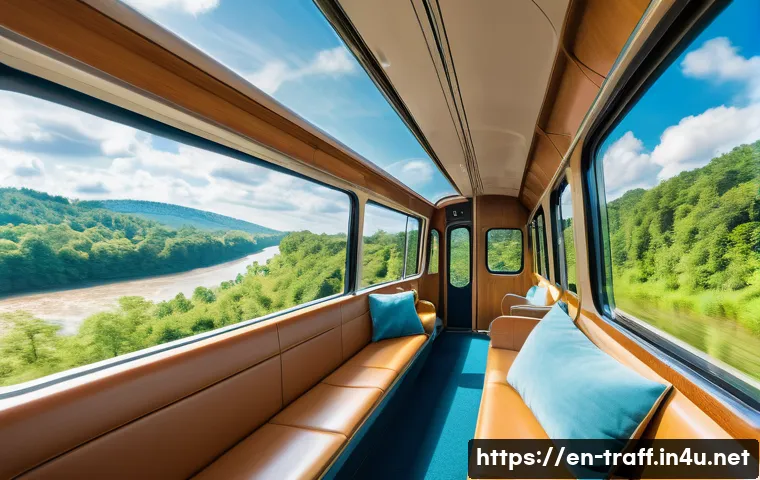
Riverside train routes offer an enchanting travel experience where every glance outside the window reveals winding rivers, lush vegetation, and charming villages nestled on the banks.
I once took a route tracing a great river for hours, and the continuous shift of sunlight sparkling on the water made it feel like time slowed down just for me.
These routes are perfect for travelers who want to soak in nature’s serene beauty without rushing, offering countless photo opportunities and moments to reflect.
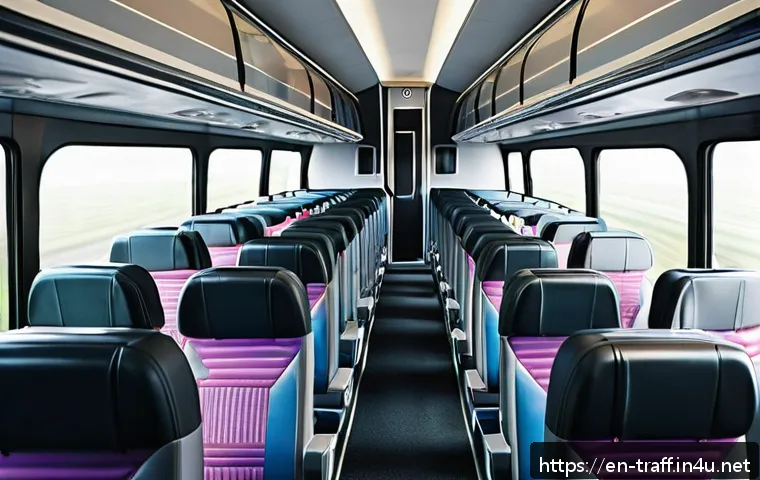
Plus, many trains on these lines feature panoramic windows designed specifically to maximize the view, enhancing that immersive feeling of gliding alongside the water.
Mountain Passes: Riding Through Majestic Peaks
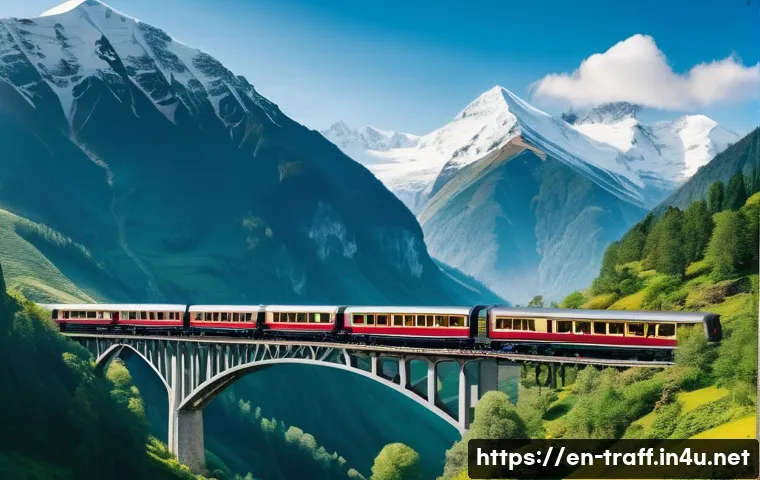
Traveling through mountainous terrain by train is nothing short of awe-inspiring. The twists and turns of the tracks often navigate through tunnels, bridges, and steep inclines, providing a thrilling ride with jaw-dropping vistas at every curve.
One memorable trip I took had the train climbing steadily while revealing snow-capped peaks and deep valleys blanketed in greenery. The contrast between the cozy interior and the dramatic landscapes outside creates a magical atmosphere.
For those who enjoy fresh, crisp air and a touch of adventure, mountain railways offer an unbeatable blend of excitement and tranquility.
Coastal Railways: Embracing the Ocean Breeze
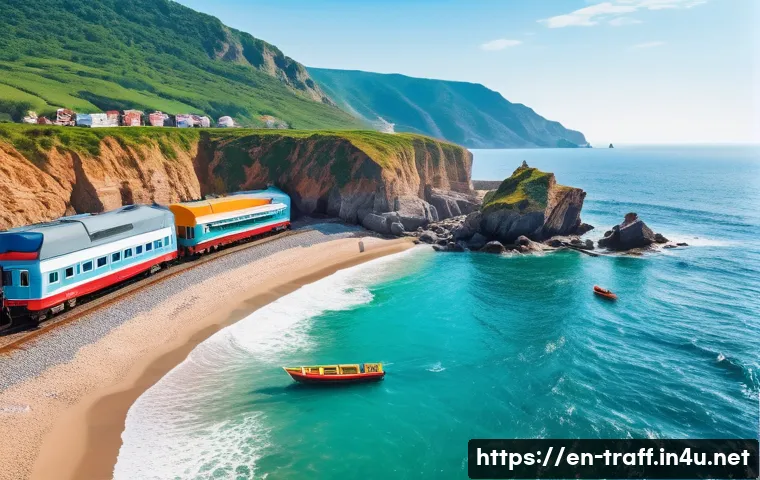
Coastal train routes have a special charm, as they wind along the shoreline with the ocean just a stone’s throw away. The sound of waves crashing and the salty breeze filtering in through open windows make these journeys truly sensory experiences.
Whether it’s traveling past rugged cliffs, sandy beaches, or quaint fishing villages, coastal railways bring a refreshing vibe that’s hard to replicate by car or plane.
I found that these routes are fantastic for those who want to combine sightseeing with opportunities to hop off and explore seaside towns or savor fresh seafood right by the docks.
Essential Tips for a Smooth and Enjoyable Train Adventure
Booking Strategies: How to Secure the Best Seats and Deals
Planning ahead is crucial when aiming for the best train travel experience. From my own travels, I’ve learned that booking early can unlock access to discounted fares and the most scenic seats—like those facing forward or next to large windows.
Many rail companies also offer rail passes that cover multiple routes at a fixed price, which can be a huge money saver for extended trips. It’s worth subscribing to newsletters or alerts from railway operators to catch flash sales or seasonal promotions.
And don’t underestimate the value of chatting with station staff or locals—they often have insider tips about lesser-known routes or special offers.
Packing Essentials: What to Bring for Comfort and Convenience
Train travel offers more space than planes, but packing smartly still makes a big difference. I always carry a lightweight blanket or shawl because temperatures can fluctuate, especially in air-conditioned carriages or when passing through different climate zones.
Noise-canceling headphones or earplugs help block out chatter or announcements, allowing for peaceful reading or napping. A refillable water bottle and some healthy snacks keep hunger at bay during longer stretches without dining cars.
Lastly, a small travel pillow and a power bank to keep devices charged are game changers for maintaining comfort and connectivity on the go.
Making the Most of Onboard Amenities and Local Connections
Many modern trains now feature free Wi-Fi, power outlets, and even gourmet dining options, but the level of amenities can vary widely depending on the route and operator.
From personal experience, I find it helpful to research the specific train beforehand to know what to expect and plan accordingly. Beyond onboard perks, train stations often serve as gateways to local culture—farmers’ markets, artisan shops, or historic neighborhoods are frequently just a short walk away.
Taking time to explore these areas during layovers or at journey’s end adds depth to the trip and creates lasting memories beyond the railcar.
Understanding the Benefits of Sustainable Train Travel
Environmental Impact Compared to Other Transport Modes
One of the reasons I’ve grown fond of train travel is its relatively low carbon footprint. Trains generally emit far less greenhouse gases per passenger kilometer than cars or airplanes, making them an eco-friendly alternative for environmentally conscious travelers.
Many countries are investing heavily in electrified rail networks powered by renewable energy, which further reduces pollution. Choosing the train not only supports sustainable infrastructure but also encourages governments and companies to prioritize greener transit solutions, creating a ripple effect that benefits the planet.
How Slow Travel Enhances Cultural Connections
Traveling by train naturally encourages a slower pace, which opens up richer cultural experiences. Unlike flying where you rush from airport to hotel, train journeys often cross through smaller towns and rural areas where you can witness daily life unfolding outside your window.
This slower rhythm invites curiosity and spontaneous interactions with locals, whether it’s sharing a meal on the platform or striking up conversations with fellow passengers.
I’ve found that these moments of human connection make the journey as rewarding as the destination itself, fostering a deeper appreciation for the places I visit.
The Growing Trend of Green Tourism and Railways
With the rise of green tourism, more travelers are seeking out eco-friendly ways to explore the world, and railways are perfectly positioned to meet this demand.
Many countries promote scenic rail routes as sustainable tourism assets, combining nature conservation with economic benefits for local communities. I noticed a surge in specially curated “eco-train” packages that include guided hikes, farm visits, and wildlife spotting excursions, all accessible via rail.
This trend not only supports responsible travel but also helps preserve the unique environments and cultures that make train journeys so special.
Planning Multi-City Trips with Rail: Strategies and Insights
Optimizing Itineraries for Maximum Exploration
Multi-city rail trips can be thrilling but require thoughtful planning to balance travel time and sightseeing. From my experience, it helps to map out routes that minimize backtracking and allow for overnight stays in cities with rich cultural offerings.
Prioritizing direct trains or high-speed services can save hours, leaving more time to explore. I also recommend mixing longer scenic legs with shorter urban hops to maintain energy levels and keep the journey varied.
Using apps and online tools to track schedules and real-time updates has made this process smoother and less stressful.
Choosing Accommodations Near Major Stations
Location matters when your trip involves multiple train rides. Staying near central stations not only reduces transit time but also provides easy access to restaurants, shops, and attractions.
I once booked a charming boutique hotel just a five-minute walk from the main station in a historic city, which made early morning departures and late arrivals hassle-free.
Proximity to transit hubs also simplifies luggage handling and gives the flexibility to explore neighborhoods on foot. When booking accommodations, always check reviews for noise levels and security, as busy station areas can vary widely in atmosphere.
Using Rail Passes and Discount Cards Effectively
Rail passes offer great value for travelers visiting multiple destinations by train, but it’s important to understand their terms and best use cases. Some passes cover specific regions or countries, while others offer unlimited travel across entire networks.
I found that calculating the cost of individual tickets versus a pass helps determine which option saves the most money. Additionally, many passes come with perks like free seat reservations or discounts on attractions.
Planning your route with these benefits in mind can unlock both convenience and savings, making your multi-city adventure more enjoyable and budget-friendly.
Experiencing Local Flavors and Traditions Along the Tracks
Sampling Regional Cuisine at Station Stops
One of my favorite parts of train travel is discovering local dishes at station eateries or nearby markets during stops. Each region often boasts unique specialties—whether it’s freshly baked pastries, savory street food, or artisanal cheeses—that reflect its culinary heritage.
Taking time to explore these food offerings adds an authentic flavor to the journey and often introduces you to ingredients or recipes you wouldn’t encounter otherwise.
Many stations now feature food halls or small vendors that cater to travelers, making it easy to grab a delicious bite while waiting for your next train.
Joining Festivals and Events Accessible by Rail
Train routes frequently connect travelers to vibrant cultural events that showcase local traditions. From music festivals and art fairs to seasonal celebrations and historical reenactments, hopping on a train can be the easiest way to reach these immersive experiences.
I recall timing a trip perfectly to attend a harvest festival in a small town accessible only by regional rail, which turned out to be one of the highlights of my travels.
Planning your journey around such events not only enriches your itinerary but also supports local communities and preserves their customs.
Engaging with Fellow Passengers and Sharing Stories
The social aspect of train travel is often underrated but incredibly rewarding. Sitting beside strangers on long journeys creates opportunities for spontaneous conversations that can lead to new friendships or valuable travel tips.
I’ve met fellow adventurers, local experts, and even artists who shared stories that deepened my understanding of the places I was visiting. Bringing a friendly attitude and an open mind transforms the train car into a small community where cultural exchange happens naturally.
These shared moments add warmth and connection to the overall travel experience.
Comparing Train Travel Options: High-Speed vs. Scenic Routes
Speed and Efficiency for Urban Connections
High-speed trains are ideal when time is limited and you want to hop between major cities quickly. These trains often reach speeds above 186 mph (300 km/h), slashing travel times and providing modern amenities like Wi-Fi and comfortable seating.
From my perspective, high-speed rail is perfect for business travelers or those on tight schedules, allowing you to maximize time exploring rather than commuting.
However, these routes tend to focus on efficiency rather than scenic beauty, so if you’re craving picturesque landscapes, slower routes might be more satisfying.
Leisurely Scenic Routes for Immersive Experiences
Slower, scenic train routes often take you off the beaten path, offering views of countryside, coastlines, and historic landmarks. While these journeys can take several hours longer than high-speed alternatives, the tradeoff is a richer, more relaxed travel experience.
I remember choosing a scenic route over a fast one simply for the chance to watch golden fields roll by and to stop in charming villages along the way.
These routes encourage mindfulness and appreciation of the journey itself, making them a favorite for travelers who prioritize experience over speed.
Balancing Comfort, Cost, and Adventure
When deciding between high-speed and scenic rail options, factors like budget, comfort preferences, and trip goals come into play. High-speed trains often cost more but save time and provide luxury touches, while scenic trains can be more affordable and adventurous but require patience.
In my travels, mixing both types within the same itinerary has been the best approach—using high-speed trains to cover long distances quickly, then switching to scenic lines for regional exploration.
This balance helps create a well-rounded trip that satisfies both practicality and wanderlust.
| Train Type | Average Speed | Typical Routes | Key Benefits | Ideal For |
|---|---|---|---|---|
| High-Speed Rail | 186+ mph (300+ km/h) | Major cities, intercountry | Fast travel, modern amenities | Business travelers, short trips |
| Scenic Railways | 40-80 mph (65-130 km/h) | Coastal, mountain, rural areas | Beautiful landscapes, cultural immersion | Leisure travelers, photographers |
| Regional Trains | 50-70 mph (80-110 km/h) | Local towns, suburbs | Frequent stops, budget-friendly | Commuters, budget travelers |
Maximizing Comfort and Safety on Long-Distance Train Journeys
Choosing the Right Class and Seating Options
Long-distance train travel can be a joy or a challenge depending on your seat choice. From personal experience, upgrading to first class or premium economy can be well worth the extra cost for the added space, quieter environment, and sometimes better meal service.
Many trains also offer private compartments or sleeper cars for overnight journeys, providing privacy and the chance to rest properly. Selecting a window seat not only guarantees great views but also offers a bit of extra wall space to lean against, which helps reduce fatigue during extended rides.
Maintaining Health and Wellbeing on Board
Spending hours on a train means being mindful of your physical comfort. I make a point to stretch periodically by walking down the aisles or stepping into vestibule areas when safe to do so.
Staying hydrated and eating balanced meals helps maintain energy levels, especially on longer trips. Some trains have onboard bathrooms, but I always carry hand sanitizer and wet wipes for cleanliness.
Wearing comfortable clothes and shoes that allow easy movement has also made a noticeable difference in how refreshed I feel upon arrival.
Safety Tips and Staying Alert During Travel
While train travel is generally safe, staying alert and prepared enhances your peace of mind. I always keep valuables close and use a small lock for backpacks or luggage when possible.
Being aware of your surroundings, especially during late-night or solo trips, is important. Checking train schedules and platform changes ahead of time reduces stress, and having emergency contact numbers saved on your phone is a smart precaution.
Engaging politely with fellow passengers or staff can also provide a sense of community and support during your journey.
Conclusion
Train travel offers a unique way to connect with nature, culture, and fellow travelers while enjoying comfort and convenience. Whether you choose a high-speed route or a scenic journey, each trip brings its own special charm and memories. Embracing the rhythm of the rails lets you experience the world at a more meaningful pace, making every moment count.
Useful Tips to Keep in Mind
1. Book your tickets early to secure the best seats and discounts, and consider rail passes for multi-destination savings.
2. Pack smart with essentials like a lightweight blanket, noise-canceling headphones, and snacks to stay comfortable throughout your trip.
3. Research onboard amenities and nearby local attractions to maximize your travel experience beyond just the train ride.
4. Choose accommodations close to major stations to simplify logistics and enhance your access to city highlights.
5. Balance your itinerary by mixing fast and scenic routes to enjoy both efficiency and immersive travel moments.
Key Takeaways for a Memorable Train Journey
Opting for train travel not only reduces your environmental impact but also enriches your cultural connections through slower, more thoughtful exploration. Prioritize comfort and safety by selecting appropriate seating and staying aware of your surroundings. Lastly, engaging with locals and fellow passengers transforms your trip into a shared adventure filled with stories and genuine human connections.
Frequently Asked Questions (FAQ) 📖
Q: What are the advantages of traveling by train compared to flying or driving?
A: Traveling by train offers a unique combination of comfort and scenic enjoyment that planes or cars often can’t match. Unlike flying, trains allow you to see the landscape up close, watch changing scenery, and relax in spacious seats without the hassle of airport security.
Compared to driving, you don’t have to worry about traffic or navigation, and you can actually move around freely, grab a meal, or even socialize with fellow travelers.
From my own trips, I’ve found train journeys to be less stressful and more immersive, giving me the chance to truly soak in the atmosphere of the places I pass through.
Q: How can I find the best train routes for scenic and cultural experiences?
A: The best way to discover remarkable train routes is to research regions known for their natural beauty and cultural richness. For example, routes through the Swiss Alps or the Canadian Rockies are famous for jaw-dropping views, while trains in countries like Japan or Italy offer both stunning landscapes and access to historic towns.
Using rail-specific travel blogs, official railway websites, and traveler forums can give you insider tips on lesser-known routes that provide authentic local experiences.
Personally, I always check for routes that stop in small towns or rural areas, as these offer a more genuine glimpse of local life beyond the usual tourist spots.
Q: What should I pack and prepare for a comfortable train journey?
A: Packing smartly can make a huge difference in how much you enjoy your train trip. I recommend bringing a lightweight travel pillow, noise-canceling headphones or earplugs, and a refillable water bottle to stay hydrated.
Comfortable layers are key since train temperatures can fluctuate. Don’t forget chargers for your devices and maybe a good book or offline entertainment for longer rides.
It’s also handy to have some snacks, although many trains offer dining options. Planning your seat preference ahead—like window seats for the views or aisle seats for easy access—can enhance your comfort.
From experience, a little preparation goes a long way toward making the journey as enjoyable as the destination.