With rising fuel prices and increasing urban congestion, many of us are rethinking the true cost of getting around in 2024. Whether you’re weighing the freedom of owning a car against the convenience and affordability of public transit, understanding which option truly saves money can be a game-changer for your budget.
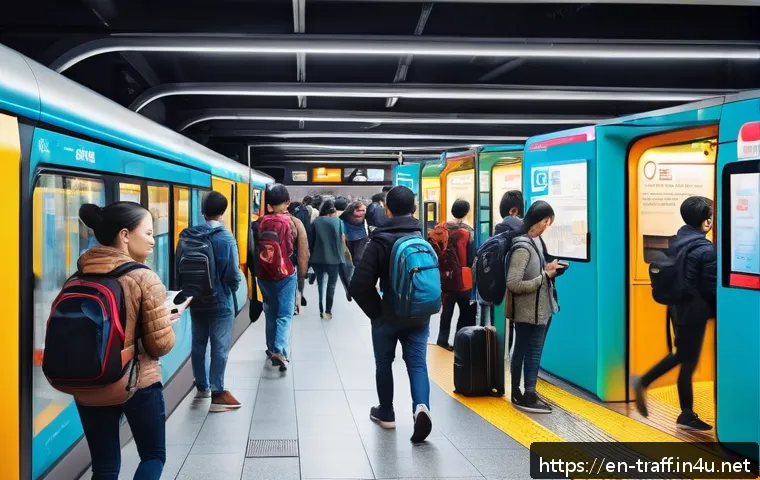
In this post, we’ll dive into the latest trends, hidden expenses, and future predictions that could tip the scales in your favor. Stick around if you’re curious about making smarter transportation choices that won’t drain your wallet.
Let’s break down the numbers and real-world experiences to help you decide what’s best for your lifestyle and finances today.
The Real Expenses Behind Owning a Car
Upfront Costs and Depreciation
When you buy a car, the sticker price is just the beginning. Beyond that initial payment, depreciation silently chips away at your investment from day one.
Depending on the make and model, a new car can lose 20-30% of its value within the first year alone. For many, this means that what feels like an affordable purchase can quickly turn into a sunk cost.
Additionally, taxes, registration fees, and insurance premiums add to the upfront financial burden. I remember when I bought my first vehicle; the excitement of driving off the lot quickly faded after realizing the ongoing costs I hadn’t fully anticipated.
Maintenance, Repairs, and Fuel
Owning a car means embracing a never-ending cycle of upkeep. Regular oil changes, tire rotations, brake checks, and unexpected repairs can pile up fast.
Fuel costs fluctuate wildly, and with gas prices soaring in many urban areas, filling up the tank has become a major budget buster. From my own experience, budgeting for maintenance is crucial because skipping minor repairs often leads to costlier problems down the line.
Plus, if you’re stuck in heavy traffic, your fuel efficiency drops, making each trip more expensive than it appears at first glance.
Parking and Tolls: The Hidden Charges
Even if you’ve covered the basics, parking fees and tolls often catch drivers off guard. In busy cities, parking garages can charge upwards of $20 per day, which adds up quickly.
Street parking may be cheaper but often comes with time restrictions and ticket risks. Additionally, toll roads designed to ease congestion end up taxing your wallet every time you drive through.
I’ve personally found that in some metropolitan areas, these fees alone can tip the scales against driving, especially when compared to other transportation options.
Decoding the True Cost of Public Transit
Fare Structures and Pass Options
Public transit systems typically offer a range of fare options—single rides, day passes, monthly subscriptions, and discounted rates for students or seniors.
These tiered pricing structures can make transit surprisingly affordable, especially if you use it regularly. For example, purchasing a monthly pass often brings down the effective cost per ride significantly.
When I switched to using public transit daily, the monthly pass not only saved me money but also simplified budgeting since I didn’t have to worry about daily fares.
Accessibility and Convenience Factors
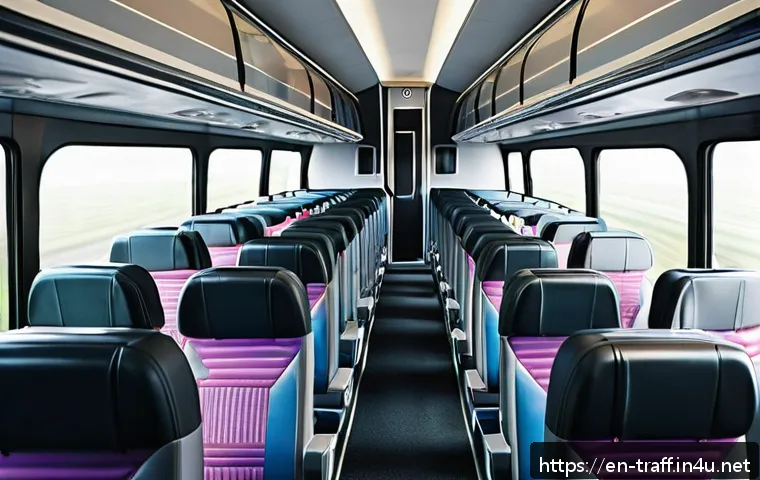
While public transit is generally cheaper, the convenience factor varies widely depending on your city’s infrastructure. Frequent delays, limited service hours, and indirect routes can make commuting a hassle.
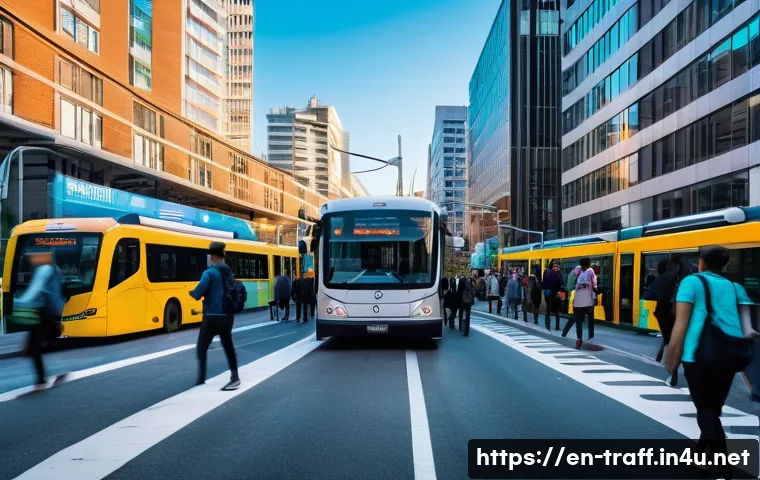
That said, many urban areas have invested heavily in improving their transit networks, making trips smoother and more reliable. Personally, I’ve noticed that combining transit with occasional rideshares or biking can optimize both cost and convenience, tailoring the experience to my daily needs.
Hidden Costs: Transfers, Time, and Comfort
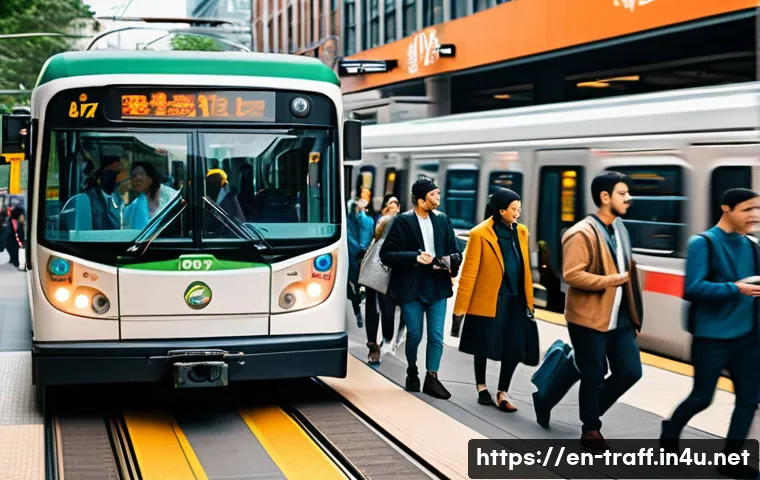
Public transit isn’t always free from hidden expenses. Transfers between lines can add time to your commute, sometimes forcing you to leave work earlier or arrive later than you’d like.
Waiting times and crowded vehicles might also decrease the overall comfort of your journey. From my perspective, factoring in these intangible costs is essential when comparing transit to driving.
While the fare might be low, the value of your time and comfort can shift the balance.
Environmental and Lifestyle Implications
Carbon Footprint Considerations
Choosing between driving and public transit isn’t just a financial decision; environmental impact plays a major role. Cars, especially those with internal combustion engines, contribute significantly to urban air pollution and greenhouse gas emissions.
Public transit, by moving more people efficiently, tends to lower per-person emissions. Over the years, I’ve become more conscious of how my transportation choices affect the planet, pushing me toward greener options whenever possible.
Health Benefits of Active Commuting
Opting for public transit often encourages walking or biking to and from stops, which can add beneficial physical activity to your day. This incidental exercise is a hidden perk that can improve overall well-being.
In contrast, driving typically involves less movement and can contribute to a sedentary lifestyle. From personal experience, integrating some walking into my commute has boosted my energy and mood, making transit more appealing beyond just the financial savings.
Stress Levels and Quality of Life
The stress of navigating traffic, hunting for parking, or dealing with vehicle breakdowns can take a toll on mental health. Public transit users might experience crowding and delays, but many find the ability to relax, read, or work during their commute reduces overall stress.
I’ve found that giving up the wheel and letting someone else handle the driving often made my mornings far less hectic, even when transit wasn’t perfectly punctual.
Technology and Innovation Shaping Transportation Costs
Electric Vehicles and Cost Efficiency
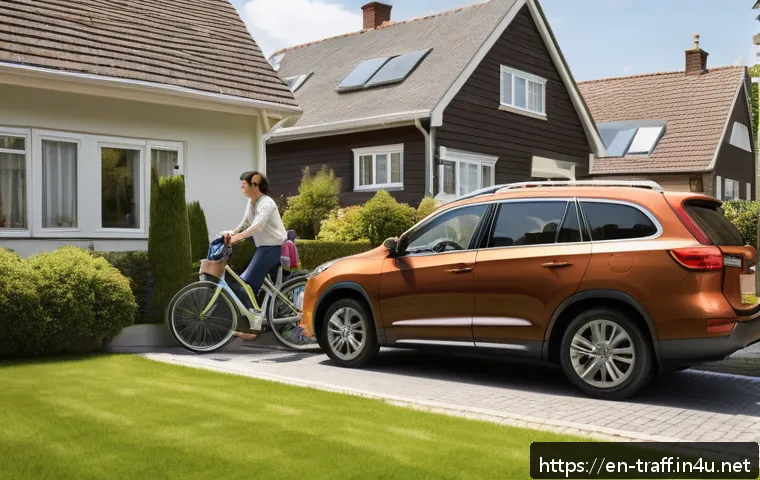
Electric vehicles (EVs) are rapidly changing the cost dynamics of car ownership. While the initial purchase price remains higher than traditional cars, lower fuel costs and reduced maintenance needs are compelling benefits.
Incentives and tax credits further improve affordability. After switching to an EV, I noticed a significant drop in my monthly “fuel” expenses, which partially offset the higher upfront cost.
However, charging infrastructure availability and charging time remain important factors to consider.
Ride-Sharing and Micro-Mobility Options
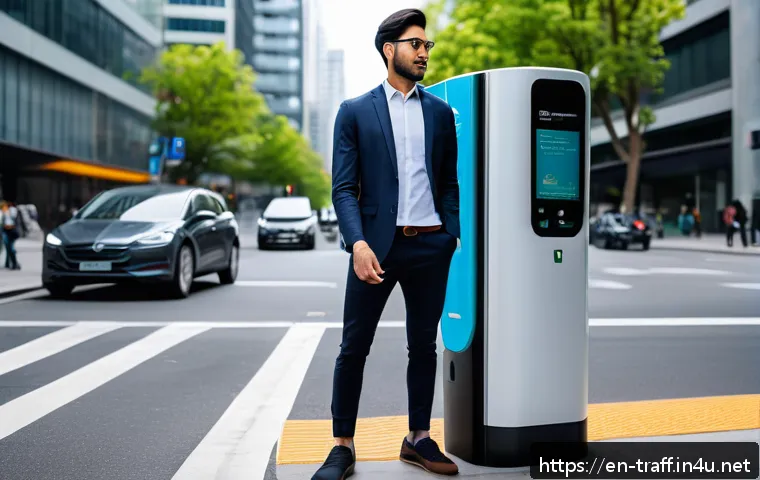
Services like Uber, Lyft, e-scooters, and bike-sharing add flexibility without the need for ownership. These options can fill transit gaps or replace occasional car trips, often at a lower total cost.
I often use ride-sharing for late-night trips when transit isn’t running, finding it a cost-effective way to maintain freedom without the hassles of parking or maintenance.
Smart Transit Apps and Real-Time Data
Digital tools now help commuters plan efficient routes, avoid delays, and track expenses more precisely. Using these apps, I’ve been able to minimize wait times and pick the best combination of transit modes, which ultimately saves both time and money.
This tech-savvy approach to commuting is becoming essential for anyone looking to optimize their transportation budget.
Comparing Costs: A Snapshot of Typical Monthly Expenses
| Expense Category | Car Ownership (Monthly Average) | Public Transit (Monthly Average) |
|---|---|---|
| Fuel / Transit Fare | $150 – $250 | $70 – $120 |
| Maintenance and Repairs | $50 – $100 | $0 |
| Insurance / Pass Cost | $100 – $150 | $80 – $100 |
| Parking and Tolls | $60 – $150 | $0 |
| Depreciation / Fare Variability | $150 (estimated) | Variable |
| Total Estimated Monthly Cost | $510 – $650 | $150 – $220 |
How Lifestyle Shapes Your Transportation Choice
Urban vs. Suburban Living
Where you live dramatically affects the value of owning a car versus relying on transit. In dense urban centers with robust transit systems, a car can feel more like a liability than an asset.
Conversely, in sprawling suburban areas, a car often remains a necessity due to limited transit options. When I moved from a city apartment to a suburban neighborhood, my transportation costs and habits shifted significantly, reinforcing how location drives these decisions.
Family and Work Commute Patterns
Families with multiple members and complex schedules might find car ownership more practical, despite the higher cost. Meanwhile, single commuters with predictable schedules often benefit from the simplicity and cost-effectiveness of transit.
My own routine, which involves flexible hours and occasional remote work, makes public transit a viable and economical choice, but I know friends with kids who rely heavily on their vehicles.
Personal Preferences and Quality of Life Priorities
Some people prioritize comfort, privacy, and spontaneity that come with driving, while others value cost savings and environmental impact more. I’ve learned that aligning your transportation mode with your lifestyle preferences is key to satisfaction.
Balancing these factors often leads to a hybrid approach—using a car when necessary but leaning on transit and active modes whenever possible.
In Closing
Choosing between owning a car and relying on public transit involves more than just comparing prices. Each option carries unique financial, environmental, and lifestyle implications that impact daily life in different ways. Reflecting on personal habits and priorities can help you make a smarter, more satisfying transportation choice. Ultimately, understanding the real costs behind each mode empowers you to manage your budget and well-being better.
Useful Information to Keep in Mind
1. Depreciation is a major hidden cost in car ownership, often overlooked during purchase decisions.
2. Regular maintenance and fluctuating fuel prices can significantly affect your monthly car expenses.
3. Public transit passes, especially monthly subscriptions, offer substantial savings for frequent riders.
4. Combining transit with ridesharing or active commuting can enhance convenience and reduce costs.
5. Your living environment and lifestyle choices heavily influence whether a car or transit best suits your needs.
Key Takeaways
Understanding transportation expenses requires looking beyond upfront costs to include ongoing fees like maintenance, parking, and time costs. While cars offer flexibility and comfort, public transit often provides a more affordable and eco-friendly alternative. Considering your commute patterns, location, and personal preferences will guide you toward the best balance between cost, convenience, and quality of life.
Frequently Asked Questions (FAQ) 📖
Q: uestionsQ1: Is owning a car really more expensive than using public transportation in 2024?
A: From my experience and recent data, owning a car often costs more upfront and over time compared to public transit, especially in urban areas. Fuel prices, maintenance, insurance, parking fees, and depreciation add up quickly.
Public transportation tends to offer a more predictable monthly expense and avoids those hidden costs. However, if you value convenience and flexibility, sometimes the extra cost might feel worth it.
It really depends on your daily commute distance and lifestyle.
Q: What hidden expenses should I consider when deciding between a car and public transit?
A: Many people overlook costs like parking permits, tolls, unexpected repairs, and even the time lost in traffic when driving. For public transit, think about last-mile transport like rideshares or bike rentals to reach stops, which can add up.
Also, consider the value of your time—waiting for buses or trains might be less convenient but can free you up to work or relax. I found that factoring in these less obvious costs helped me see the full picture beyond just ticket prices or gas.
Q: How will future transportation trends affect my choice between owning a car and using public transit?
A: With rising urban congestion and increasing investments in eco-friendly public transit, many cities are improving service frequency and coverage, making transit more attractive.
Additionally, electric scooters, bike-sharing, and carpool apps are changing how we think about mobility. Personally, I expect owning a traditional gas car to become less practical and more expensive over time, while transit and micro-mobility options will get cheaper and more convenient.
Keeping an eye on these trends can help you make a smarter, future-proof decision.