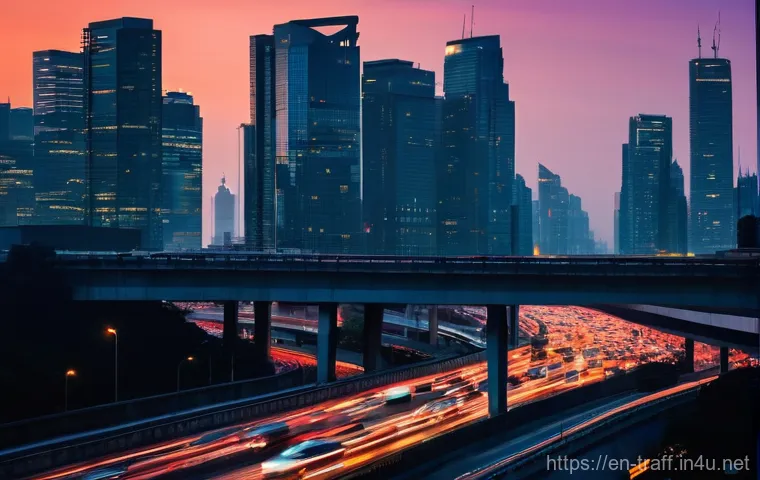
Hey everyone! If you’re anything like me, you’ve probably spent more time than you’d like to admit staring at the taillights of the car in front, inching along in what feels like an endless, soul-crushing parade of traffic.
It’s not just a minor inconvenience, is it? It’s a huge drain on our productivity, our gas money, and let’s be honest, our sanity! I’ve personally tried every ‘shortcut’ and ‘off-peak hour’ strategy under the sun, only to find myself in the same gridlock, wondering if there’s *ever* a way out.
But what if we could move beyond just complaining and actually *understand* the core reasons behind these notoriously congested bottlenecks? What if there were genuine, practical alternatives – from smart urban planning and dynamic routing systems that leverage AI, to the evolving landscape of remote work and enhanced public transport – that could dramatically transform our daily commute?
In a world rapidly moving towards smarter cities and more efficient living, staying stuck in the past simply isn’t an option. I’ve spent a lot of time digging into the data and talking to urban planners, and what I’ve uncovered is truly eye-opening.
We’re going to unpack the real culprits behind those nightmare stretches of road and, more importantly, arm you with actionable insights to reclaim your time and peace of mind.
Let’s accurately explore how we can beat the jam!
Deconstructing the Congestion Conundrum
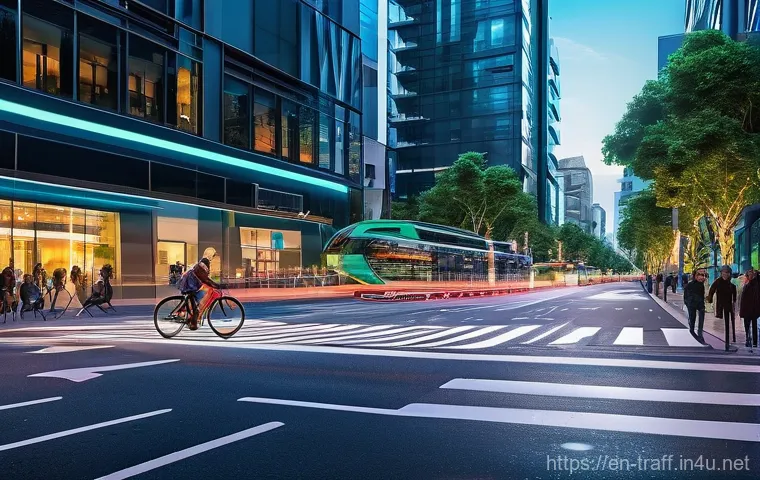
Honestly, it feels like a daily battle sometimes, doesn’t it? Just when you think you’ve outsmarted the traffic gods, you hit that familiar wall of brake lights. From my own experience driving in and around bustling cities like Los Angeles and London, it’s never just one thing causing the chaos. It’s a complex stew of interconnected issues, and understanding them is the first step toward finding a way out of the mess. I used to blame “bad drivers” or “too many cars,” but after really digging into this, I’ve realized it’s much more systemic. It’s like trying to fix a leaky faucet without knowing where the actual leak is. We need to look deeper than just the surface-level frustration to really get to the bottom of why we’re all stuck in this never-ending cycle.
The Urban Sprawl Factor
One of the biggest culprits, in my opinion, is how our cities have grown over the last few decades. We’ve spread out, building suburbs further and further from central business districts, which inherently creates a need for people to travel longer distances. I remember when I first moved to a sprawling metropolitan area; I was charmed by the bigger yards and quiet streets, but the trade-off in commute time quickly became apparent. This expansion means more people driving personal vehicles, often because public transport simply hasn’t kept pace with this outward growth. It’s a classic chicken-and-egg scenario: do people move out because transport is bad, or is transport bad because people moved out? Either way, the result is more cars on the main arteries, struggling to funnel into urban cores that were never designed for such an immense daily influx.
Infrastructure Lag and Bottlenecks
Even in cities with seemingly robust road networks, you’ll inevitably encounter those infamous bottlenecks. You know the ones – where three lanes suddenly merge into two, or a crucial highway exit becomes a chokepoint every single afternoon. I’ve lost count of the times I’ve been stuck in one, swearing under my breath that someone, somewhere, messed up the planning. Often, these aren’t just minor oversights; they’re symptoms of an aging infrastructure that hasn’t been adequately updated to meet current demand. Our roads and bridges, many built decades ago, simply can’t handle the sheer volume of vehicles on them today. Add to that ongoing construction, which is necessary but often poorly timed, and you’ve got a recipe for perpetual gridlock. It’s a constant struggle between maintaining what we have and building what we need, all while millions of us are trying to get to work or pick up groceries.
Beyond the Rush Hour: Hidden Costs of Traffic
We all feel the immediate sting of traffic – the wasted time, the rising fuel costs, the sheer frustration. But have you ever really stopped to consider the deeper, more insidious costs that traffic imposes on us, both individually and as a society? I used to think of it purely in terms of my personal commute, but the more I looked into it, the more I realized it’s a colossal drain on our resources in ways we often don’t even recognize. It’s not just about getting from A to B; it’s about the ripple effect that impacts our health, our environment, and our collective economic well-being. This is where the true cost of those endless queues really hits home, and it’s far more expensive than just a few extra gallons of gas.
Environmental and Health Impacts
Let’s talk about what’s coming out of those tailpipes while we’re all idling. The increased carbon emissions from congested traffic are a significant contributor to air pollution, which, as I’ve learned, has serious implications for public health. I’ve definitely noticed the difference in air quality in heavily trafficked areas compared to greener spaces. Prolonged exposure to these pollutants can exacerbate respiratory issues, contribute to heart disease, and just generally make us feel less vibrant. Beyond the physical, there’s the mental toll. The stress of constant delays, the anxiety of being late, and the sheer monotony of crawling along can seriously impact our mental well-being. I’ve personally felt my stress levels spike dramatically after a particularly bad commute, and it takes a conscious effort to shake off that negativity. It’s a silent, daily assault on our physical and emotional health that we often just accept as part of modern life.
The Productivity Drain
Think about all those hours we collectively spend stuck in traffic. What could we be doing instead? Working, spending time with family, exercising, pursuing hobbies… the list goes on. This lost time translates directly into lost productivity, both for individuals and for businesses. When employees are spending an extra hour or two commuting each day, they’re often arriving at work already stressed and fatigued, impacting their focus and efficiency. For companies, this can mean delayed deliveries, missed appointments, and a less engaged workforce. I’ve seen this firsthand in my own work; a long commute leaves me less energized and less creative when I finally sit down at my desk. Economists have tried to quantify this, and the numbers are staggering – billions of dollars lost annually due to traffic congestion in major economies. It’s a deadweight loss that we simply cannot afford, pulling down economic growth and innovation.
The Digital Traffic Cop: AI and Smart Systems
Alright, so we’ve established that traffic is a massive headache with far-reaching consequences. But here’s where things get exciting, at least for me, as someone who loves digging into how technology can solve real-world problems. We’re not just passively accepting our fate anymore; we’re actively developing and deploying intelligent systems that promise to revolutionize how we manage traffic. I’ve been following the developments in this space closely, and it feels like we’re finally moving beyond static solutions to dynamic, responsive ones. It’s no longer just about building more roads; it’s about making the roads we already have work smarter and more efficiently, almost like having a digital traffic conductor orchestrating the flow in real-time. This blend of cutting-edge technology and urban planning is truly fascinating and offers a genuine glimmer of hope.
Dynamic Routing and Signal Optimization
Imagine your commute route isn’t fixed, but constantly adjusting based on live conditions. That’s the power of dynamic routing, something many of us already experience with navigation apps like Waze or Google Maps, but on a much grander, city-wide scale. These systems use real-time data from sensors, cameras, and even connected vehicles to identify congestion points and then redirect traffic accordingly. I’ve personally seen how a quick detour suggested by my app, based on live incident data, has saved me significant time. But it goes further: AI can also optimize traffic signals. Instead of fixed timing, these smart signals can adapt to current traffic volumes, prioritizing busier intersections or even creating “green waves” to keep traffic flowing smoothly through multiple lights. This isn’t just theoretical; cities around the world are implementing these systems, and the results are often impressive, reducing travel times and cutting down on those frustrating, unnecessary stops at red lights.
Predictive Analytics for Proactive Management
What if we could predict traffic jams before they even happen? That’s the goal of predictive analytics in traffic management. By analyzing historical data, weather patterns, local events, and even social media trends, AI algorithms can forecast where and when congestion is likely to occur. This allows traffic managers to take proactive measures, such as adjusting signal timings in advance, deploying incident response teams to potential trouble spots, or issuing early warnings to commuters. I find this absolutely mind-blowing – it’s like having a crystal ball for traffic! For example, if a major concert is scheduled, the system can anticipate a surge in traffic in that area and pre-emptively adjust. This proactive approach is a huge step up from simply reacting to problems after they’ve already brought traffic to a standstill, potentially saving millions of hours of collective frustration. It’s about being one step ahead, rather than constantly playing catch-up.
Revitalizing Public Transit: More Than Just Buses and Trains
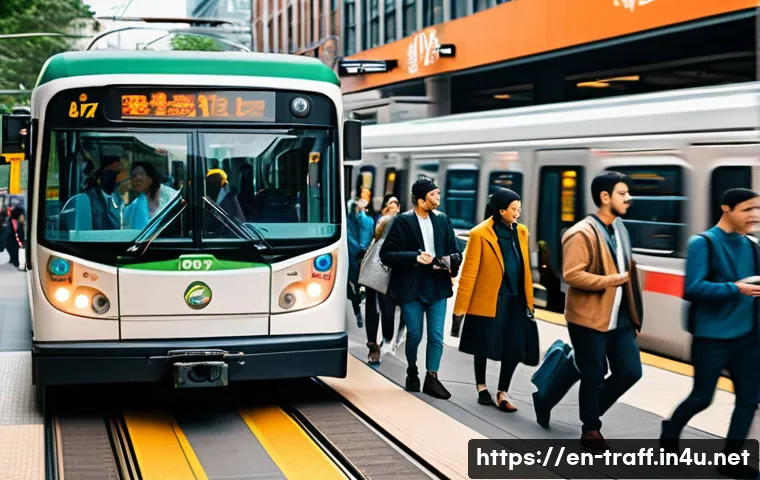
For years, public transportation has been seen as a somewhat stodgy, often inconvenient alternative to driving. And let’s be real, for many of us, it hasn’t always been the most appealing option. I’ve had my share of delayed trains and overcrowded buses that made me question my life choices. However, there’s a massive push happening right now, a true renaissance in how we think about and implement public transit, transforming it from a mere alternative into a genuinely desirable mode of travel. It’s about moving beyond the old stereotypes and envisioning a future where public transport is seamlessly integrated, efficient, and even enjoyable. This isn’t just about reducing traffic; it’s about building more equitable, sustainable, and livable cities for everyone, myself included, and I’m personally excited to see these changes unfold.
Integrated Mobility Networks
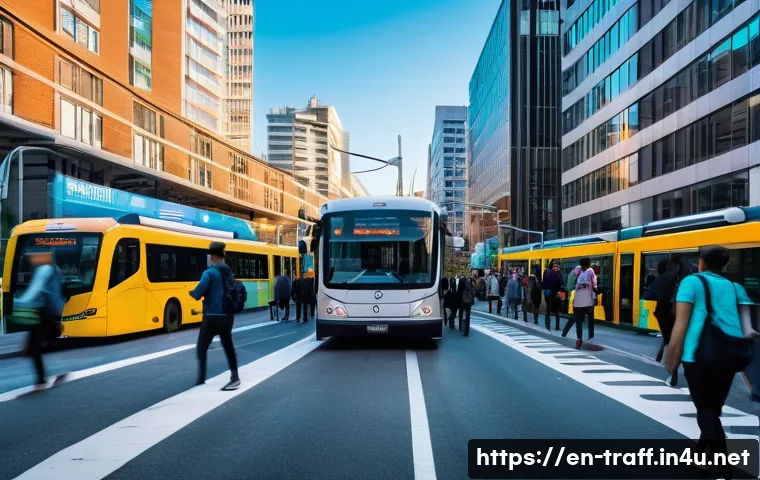
The future of public transit isn’t just about a single bus route or a train line; it’s about creating an interconnected web of options – an integrated mobility network. This means combining traditional public transport with ride-sharing services, bike-sharing programs, electric scooters, and even on-demand micro-transit solutions. The idea is to make it incredibly easy for people to complete their entire journey using a combination of modes, often coordinated through a single app. I’ve used apps that show me bus times, nearest bike docks, and even estimated walk times all in one place, and it’s a game-changer. This “first mile/last mile” problem, where people struggle to get from their home to a transit hub or from a transit stop to their final destination, is finally being addressed. It makes choosing public transit not just feasible, but genuinely convenient and flexible, much more akin to the freedom of a personal car.
Making Public Transit Appealing (Finally!)
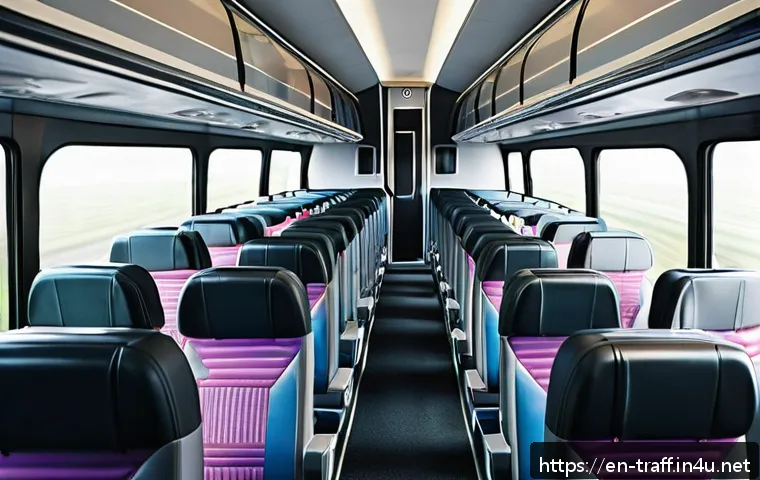
Let’s face it, public transit sometimes has a PR problem. But that’s changing! Cities are investing heavily in making public transit more attractive, not just functionally, but experientially. This includes cleaner, more comfortable vehicles, reliable schedules, free Wi-Fi, better security, and user-friendly digital tools for planning and payment. I’ve seen some incredible examples of modern train stations that feel more like grand airport terminals than grimy waiting areas. The goal is to make the experience so pleasant and stress-free that people *want* to choose it over driving. When transit is frequent, reliable, and comfortable, it truly competes with the car. For example, imagine being able to work or read comfortably on your commute, rather than being stuck behind a steering wheel. That’s the vision, and it’s a powerful incentive that I believe will genuinely shift behavior over time, making it a viable and even preferred option for daily travel.
The Remote Work Revolution: Shifting the Commute Paradigm
Who would’ve thought that our kitchen tables and spare bedrooms would become the new office? The pandemic undeniably accelerated a trend that was already bubbling under the surface: remote work. And let me tell you, from someone who’s embraced a hybrid model, it’s not just a perk; it’s a seismic shift in how we approach our daily lives and, crucially, how we impact traffic. For years, the default was “go to the office,” no questions asked. Now, companies and employees alike are realizing the immense benefits, not just for individual well-being but for broader societal issues like congestion. It’s truly fascinating to see how a change in work habits can have such a profound effect on our urban landscapes and daily routines.
Flexibility as a Traffic Solution
When people aren’t forced to be in the office during peak hours, or even every day, the impact on traffic is immediate and significant. Fewer cars on the road during those critical morning and evening rushes mean less congestion for everyone. I’ve personally experienced the joy of running errands mid-day when the roads are practically empty, a luxury that was unthinkable when I was chained to an office desk from 9 to 5. Flexible schedules and remote work allow for a natural staggering of travel times, distributing vehicle load more evenly throughout the day. This isn’t about getting rid of offices entirely; it’s about leveraging flexibility to reduce the pressure cooker effect of everyone needing to be in the same place at the same time. It’s a simple concept, but its power to alleviate gridlock is truly immense, and I’m all for it.
The Hybrid Model’s Impact
While fully remote work isn’t for everyone, the hybrid model – a mix of in-office and remote days – is proving to be a sweet spot for many organizations and employees. It offers the benefits of collaboration and social connection that office work provides, while still significantly cutting down on daily commutes. I find that my hybrid schedule gives me the best of both worlds: focused work at home and productive team meetings in the office. This model means fewer people commuting on any given day, and even those who do commute might choose off-peak days, further reducing overall traffic volume. It’s a pragmatic and sustainable approach that acknowledges the human need for connection while still embracing the efficiencies of distributed work. As this trend continues to mature, I expect to see even more significant positive impacts on urban mobility, freeing up our roads and our time.
Designing Smarter Cities: Planning for Seamless Movement
If we want to truly solve traffic congestion, we need to think bigger than just roads and cars. We need to look at the very fabric of our cities and how they’re designed. For too long, many urban centers were planned around the automobile, sometimes to the detriment of everything else. But I’m seeing a fantastic shift in thinking among urban planners and city leaders. They’re starting to envision cities that prioritize people, not just vehicles, creating spaces where movement is fluid, efficient, and enjoyable, regardless of how you choose to get around. This isn’t just about reducing traffic; it’s about enhancing the quality of life for everyone who lives and works in these urban environments. It’s a long-term game, but one that promises enormous dividends for future generations, and I’m excited about the possibilities.
Mixed-Use Development Benefits
One of the most promising strategies I’ve observed is mixed-use development. Instead of zoning vast areas exclusively for residential, commercial, or industrial use, mixed-use planning integrates these functions into smaller, more localized neighborhoods. This means people can live, work, shop, and socialize all within walking or cycling distance, dramatically reducing the need for car travel. I’ve personally visited areas designed this way, and the vibrancy and convenience are palpable. Imagine being able to walk to your favorite coffee shop, your office, and your grocery store without ever needing to start your car! This approach fosters a stronger sense of community and actively discourages the long, multi-stop car trips that contribute so much to congestion. It’s about making daily life more compact and connected, which naturally translates to less time spent in traffic and more time enjoying where you live.
Prioritizing Pedestrians and Cyclists
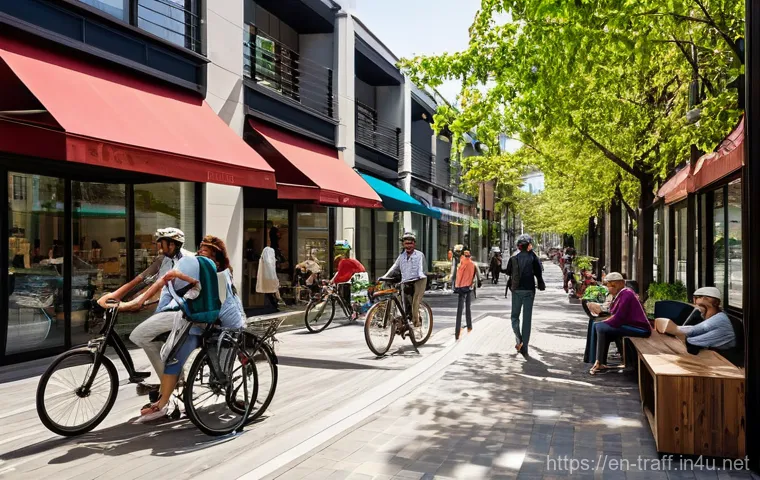
It sounds simple, but prioritizing pedestrians and cyclists can have a profound effect on overall traffic. When walking and biking are genuinely safe, convenient, and enjoyable options, more people will choose them for short to medium distances. This means investing in dedicated bike lanes, wider sidewalks, better lighting, and safer crosswalks. I’m a huge advocate for cycling, and when I see cities investing in quality bike infrastructure, it makes me genuinely happy because it encourages more people to get out of their cars. When a significant portion of short trips are made on foot or by bike, it frees up road space for those who genuinely need to drive, like delivery services or long-distance commuters. It’s not just about being green; it’s about smart urban planning that recognizes the diverse ways people move and designs infrastructure to support all of them, thereby alleviating pressure on our roads.
| Strategy | Primary Benefit | Challenges | Long-Term Impact on Congestion |
|---|---|---|---|
| Smart Traffic Systems (AI/Sensors) | Optimized flow, real-time adjustments | High initial investment, data privacy concerns | Significant reduction in localized bottlenecks |
| Enhanced Public Transportation | Reduced individual car trips, environmental benefits | Requires cultural shift, substantial funding | Major decrease in urban core traffic |
| Remote/Hybrid Work | Reduces peak hour demand, worker flexibility | Adaptation for some industries, potential for social isolation | Sustainable reduction in overall vehicle miles traveled |
| Mixed-Use Urban Planning | Reduced short-distance car travel, vibrant communities | Long development cycles, existing zoning hurdles | Fundamental shift in travel patterns, less car dependency |
| Pedestrian/Cycling Infrastructure | Health benefits, environmental benefits, fewer short car trips | Space constraints in dense areas, safety perceptions | Reduces local car usage, improves urban livability |
Your Role in Beating the Jam: Everyday Strategies
Okay, so we’ve talked about grand urban plans and high-tech solutions. But what about *us*? What can we, as individuals, do right now to make a difference in our daily battles against traffic? I firmly believe that while systemic changes are crucial, our collective individual choices also hold immense power. It’s easy to feel helpless when you’re stuck in gridlock, but trust me, there are practical steps you can take, not just to improve your own commute but also to contribute to a larger solution. I’ve tried many of these myself, and while they might seem small, their cumulative effect can be surprisingly impactful. It’s about being a part of the solution, not just another car in the queue, and feeling empowered in the process.
Optimizing Your Personal Commute
This is where personal experimentation comes in! First, embrace technology. Use real-time navigation apps religiously. I’ve found that even on familiar routes, these apps can alert me to unexpected delays or suggest quicker alternatives that I wouldn’t have known about. Second, consider shifting your commute times by even 15-30 minutes if your job allows. I discovered that leaving just a little earlier or later can sometimes shave a significant chunk off my travel time. Third, explore alternative modes of transport for at least a portion of your journey. Can you carpool with a colleague? Is there a train or bus stop within a reasonable distance? What about cycling for shorter trips? I started biking to my local grocery store, and not only do I avoid traffic, but I also get some exercise. Even a small change can make a big difference in reducing the overall number of single-occupancy vehicles on the road, which helps everyone.
Advocating for Change
Finally, don’t underestimate the power of your voice. If you care about traffic congestion, make sure your local representatives know it. Attend community meetings, write letters, or participate in online forums. Advocate for better public transport funding, smart city initiatives, and pedestrian/cyclist-friendly infrastructure. I’ve seen how consistent community pressure can actually lead to tangible improvements, like new bike lanes or improved bus services. Engage with urban planning proposals and offer constructive feedback. Your perspective as a daily commuter is invaluable. Remember, the cities we live in are shaped by the decisions made today, and by being an active participant in that conversation, you can help steer us towards a future with smoother, less stressful journeys for all. It’s about building a better future, one informed decision and one proactive voice at a time.
Closing Thoughts
Well, friends, we’ve really peeled back the layers of the traffic conundrum today, haven’t we? From the frustrating daily grind to the brilliant minds working on solutions, it’s clear this isn’t a simple fix.
But honestly, seeing how technology, smarter planning, and even our own choices can make a genuine difference gives me a real spark of optimism. It reminds us that while the problem is huge, the power to create a smoother, more sustainable future, one less congested road at a time, lies within our collective grasp.
Keep pushing for better, and remember, every journey starts with a single smart choice!
Useful Information to Know
1. AI in Traffic Management is Already Making a Difference: Intelligent traffic management systems utilizing AI are already helping to cut down on road congestion by as much as 25% by optimizing traffic flow, reducing delays, and cutting emissions. These systems learn from real-time data to become more efficient over time, keeping drivers updated and enabling smarter travel choices.
2. Mixed-Use Developments Offer Significant Benefits: By integrating residential, commercial, and recreational spaces, mixed-use planning dramatically reduces the need for car travel, fostering walkability and increasing foot traffic for local businesses. This approach not only alleviates congestion and urban sprawl but also contributes to reduced carbon footprints and promotes healthier, more active lifestyles by making daily errands walkable.
3. Remote Work Continues to Impact Commute Times: Remote and hybrid work arrangements are expected to remain a significant trend, with remote workers saving a considerable amount of commute time daily (around 72 minutes on average). This shift reduces peak hour demand on roads, offering flexibility and potential cost savings for both employees and companies.
4. Public Transit is Evolving with Technology: Future public transportation systems are integrating AI for route optimization, real-time monitoring, and demand forecasting, making services more efficient and user-friendly. Innovations include electric and autonomous vehicles, seamless payment systems, and Mobility as a Service (MaaS) platforms that combine various transport modes into a single, convenient app.
5. Micro-Mobility is Expanding Beyond the “Last Mile”: Options like e-bikes and scooters are increasingly integrated into broader transportation ecosystems, with cities investing in dedicated lanes and coordinated payment systems. These micro-mobility solutions are vital for short trips, reducing congestion and emissions, and are expected to accommodate longer distances in the future, further transforming urban mobility.
Key Takeaways
To truly master the traffic challenge, we need to embrace a multi-faceted strategy that looks beyond just building more roads. My biggest takeaway is that while the problem feels overwhelming, the solutions are increasingly intelligent and interconnected.
We’re seeing powerful impacts from AI-driven traffic systems that optimize flow in real-time, making our existing infrastructure work smarter. Equally crucial is the revitalization of public transport, transforming it into an attractive, integrated network that genuinely competes with personal cars.
The remote work revolution, born partly out of necessity, has proven its enduring power to fundamentally shift commute patterns and ease peak-hour demand.
And let’s not forget the long-term vision: designing our cities with people in mind through mixed-use developments and prioritizing pedestrians and cyclists.
Ultimately, it’s a blend of technological innovation, forward-thinking urban planning, and our own mindful choices that will pave the way for a smoother, more sustainable, and less stressful daily journey for us all.
Frequently Asked Questions (FAQ) 📖
Q: What are the main culprits behind the soul-crushing traffic jams we experience daily, even with new infrastructure?
A: Oh, this is a question that hits home for so many of us, myself included! You’d think with all the road construction and bypasses popping up, things would get better, right?
But honestly, from what I’ve observed and dug into, it’s a wicked cocktail of factors. First off, there’s the sheer volume of us. More people mean more cars, plain and simple.
Urban areas are just bursting at the seams, and our infrastructure, bless its heart, often can’t keep up with that explosive growth. Then, let’s talk about our love affair with single-occupancy vehicles.
I mean, who doesn’t love the freedom of their own car? But when every single person is driving solo, even a modest road quickly becomes a parking lot.
It’s like trying to fit ten pounds of potatoes in a five-pound sack! Another massive piece of the puzzle is the way our cities have sprawled out. We live far from where we work, shop, and play, making driving a necessity for nearly everything.
And let’s not forget the sheer inefficiency of our existing road networks – sometimes it feels like they were designed in a different era, incapable of handling today’s complex traffic flow.
Accidents, lane closures, even just a sudden downpour can totally cripple a major artery. I’ve personally been stuck for what felt like an eternity because of a minor fender bender miles ahead.
It’s frustrating because it’s rarely one thing; it’s this perfect storm of urbanization, personal choices, and historical planning that keeps us all in a collective crawl.
Q: I’m tired of just sitting there! What can I actually do, starting today, to make my daily commute less stressful and maybe even shave off some time?
A: You and me both, my friend! It’s easy to feel helpless, but believe me, there are absolutely things you can do to reclaim some sanity and time. First, let’s talk timing.
If your job offers any flexibility, even shifting your start and end times by 30 minutes can make a huge difference. I once started going in just 15 minutes earlier, and suddenly I was sailing past spots where I used to grind to a halt.
It felt like I’d found a secret cheat code! Next, embrace technology. Use those navigation apps like Google Maps or Waze religiously, but don’t just follow the default.
Sometimes, taking a slightly longer route that avoids major bottlenecks can actually be faster. I’ve personally found success with ‘back road’ detours that the apps suggest, even if they seem counter-intuitive at first.
Consider carpooling or ride-sharing if it’s an option for you; splitting gas costs and having someone to chat with can actually make the journey more bearable.
And if public transport is available and viable for your route, give it a real shot. It might seem daunting at first, but imagine reading a book, catching up on emails, or just listening to a podcast instead of white-knuckling the steering wheel.
Plus, walking that extra bit to the station can add some steps to your day! My personal favorite hack? Batching errands.
Instead of making multiple trips, try to consolidate your grocery run, dry cleaning, and other stops into one efficient outing, perhaps on a less congested day or at an off-peak hour.
It’s all about working smarter, not harder, against the traffic beast.
Q: Looking ahead, are cities and tech companies really making any progress? What are some genuine, long-term solutions that could actually fix this mess?
A: That’s a fantastic question, and one that gives me a lot of hope, actually! While it often feels like we’re stuck in the same old patterns, there’s a ton of exciting stuff happening behind the scenes that genuinely aims to untangle our urban mobility woes.
One of the biggest game-changers I’ve been watching is the rise of smart city technology. Think AI-powered traffic lights that dynamically adjust to real-time flow, or sensors that can predict congestion before it even happens and redirect drivers.
It’s like having a super-smart air traffic controller for our roads! Then there’s the whole push for better, more integrated public transportation. We’re seeing cities invest in things like expanded rail networks, rapid bus transit, and even on-demand micro-transit services that can fill in the gaps.
Making public transport appealing, efficient, and accessible is key to getting more people out of their cars. And let’s not forget the massive shift towards remote and hybrid work models, which, for many, has been an absolute game-changer.
Fewer cars on the road during peak hours? Yes, please! I know so many people who used to spend two hours a day commuting who now work from home a few days a week, and it’s not just a win for them, it’s a win for everyone on the road.
Urban planners are also getting smarter about mixed-use development, designing neighborhoods where you can live, work, and play without needing to drive everywhere.
Imagine if your grocery store, doctor’s office, and even your job were all within a walkable or bikeable distance! It sounds like a dream, but these are the kinds of long-term visions that could truly transform our daily grind.
It’s not an overnight fix, but seeing these innovations unfold gives me a lot of confidence that our commutes can and will get better.